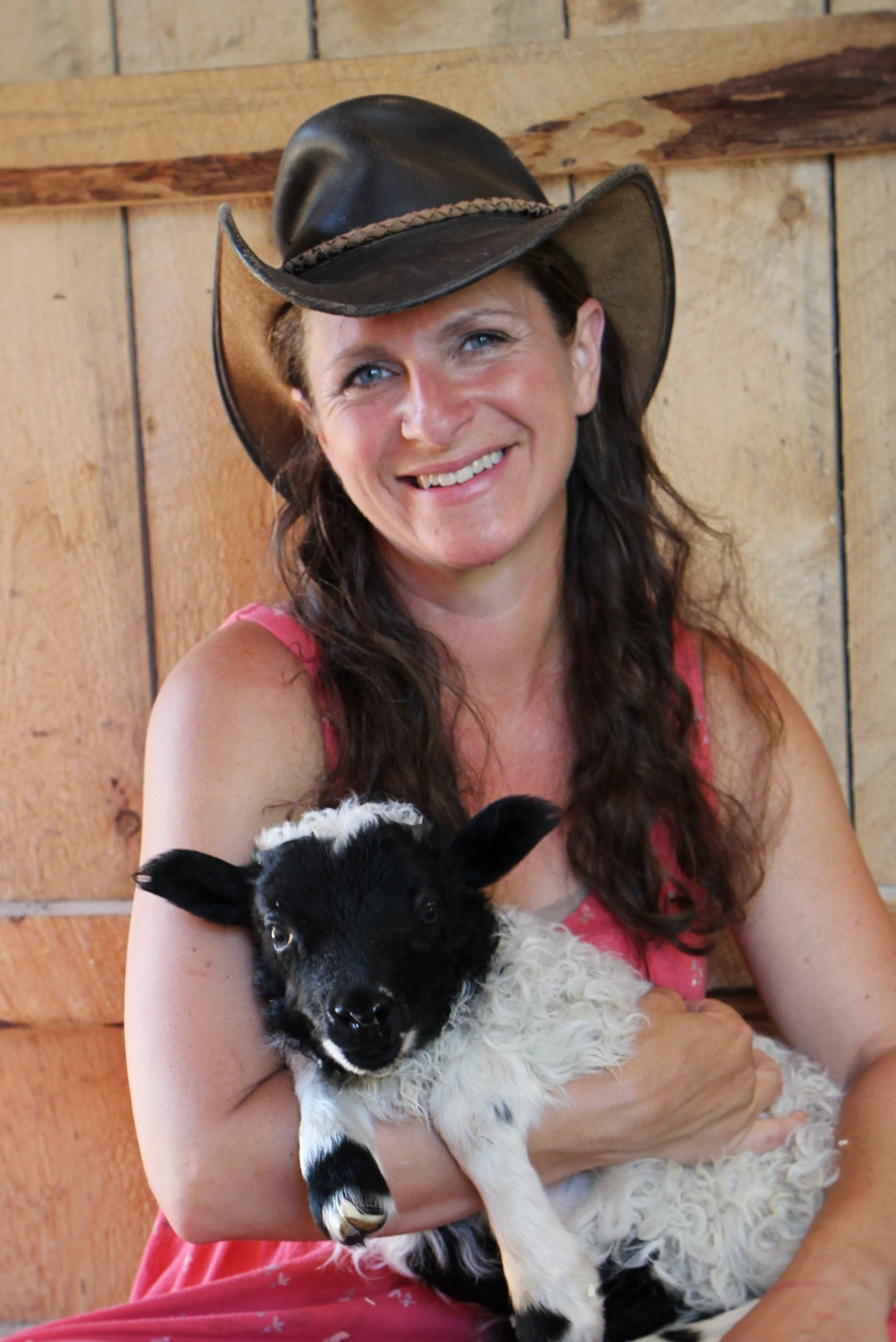
How Maryann of Tribal Vibe — Nature’s Tea found her way back to herself, one plant, one memory, and one cup of tea at a time.
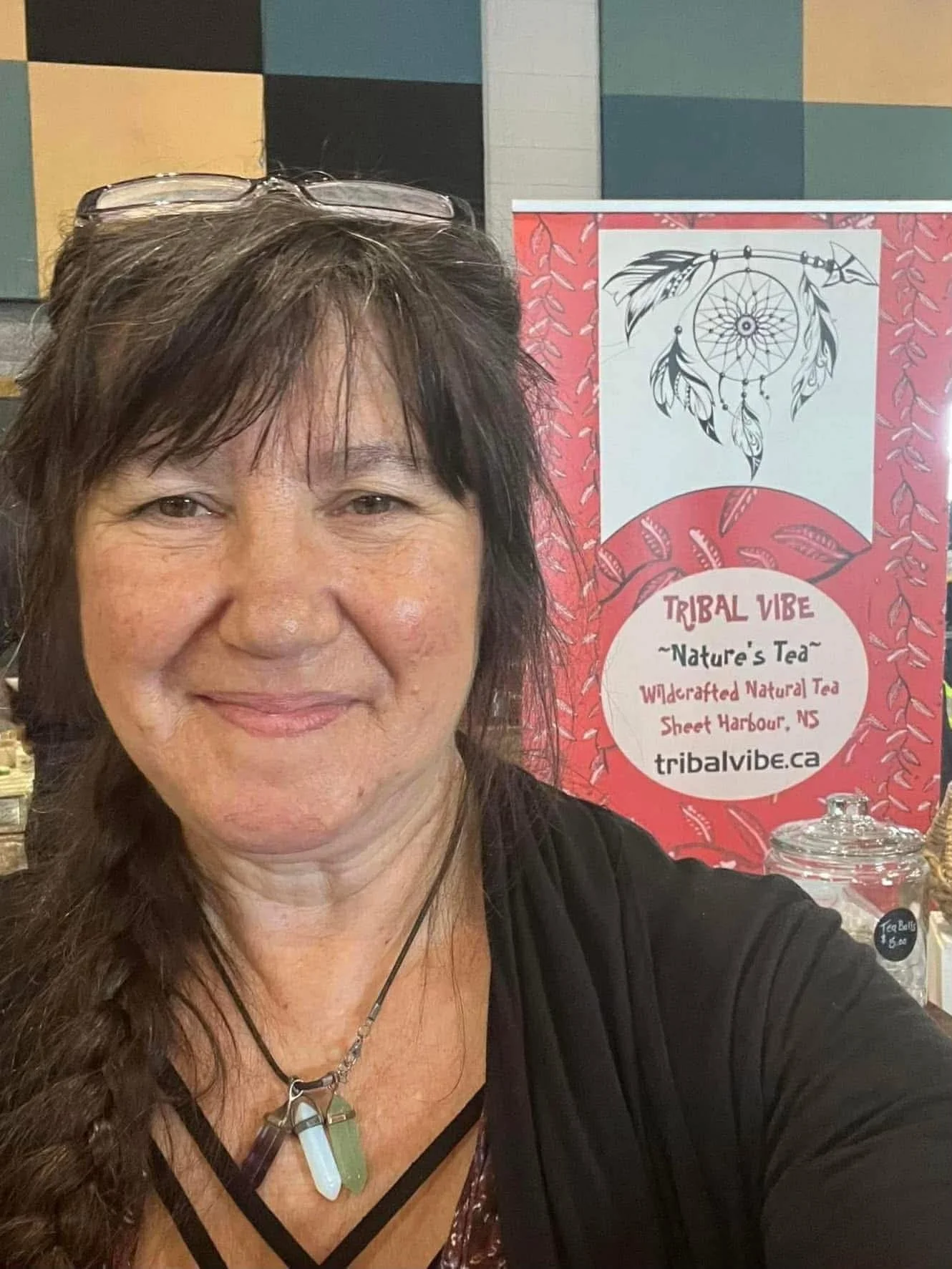
At 53 years old, Maryann had built what many would consider a successful life. She had a home, financial security, benefits, and a respected career. After fourteen years with a pharmaceutical company, including seven in management, she had worked hard to reach a position that made her parents proud. She had raised her family, cared for others, and accomplished so much of what she had been taught a successful life should look like. Yet, somewhere along the way, she had lost touch with herself.
Despite her achievements, Maryann was struggling with her physical and emotional well-being. She was experiencing unexplained pain, anxiety, and depression, and beginning to question why a life that appeared so complete could leave her feeling so disconnected. An unexpected conversation with a nurse in a hospital emergency department introduced her to the idea of energy healing and sparked a curiosity that would eventually change the direction of her life. She began exploring meditation, aromatherapy, and a different relationship with her own well-being.
Then, during an experience with aromatherapy, a familiar scent brought back something she hadn’t realized she had lost.
She remembered mayflowers.
Suddenly, she could see herself as a little girl, perhaps five years old, sitting among the mayflowers in the woods surrounding her childhood home, tasting their sweet nectar. The memory was so powerful that she began to cry. She remembered the little girl who made perfume from plants and flowers, wove daisy crowns, collected rocks and seeds in her pockets, and gathered berries and rosehips for tea. She remembered the simple joy of being surrounded by nature and the teachings of the people who had raised her.
“I had missed her!” Maryann recalls.
It was as though a door had opened to a part of herself she had spent years forgetting.
Her father had been central to that childhood. Struck by a car the year before Maryann was born, he spent six months in hospital traction and was told he would never walk again. He proved the doctors wrong, and despite living with a physical disability, remained a resourceful entrepreneur and devoted caregiver. While Maryann’s mother worked as a schoolteacher, her father cared for the household, raised much of the family’s food, and operated a small nursery selling transplants each spring.
He was also her first teacher in the natural world. Together they gathered spruce gum for sore throats and puffball mushrooms, which they dried beside the wood stove for use in traditional remedies to help stop bleeding. They raised vegetables and meat organically, composted their scraps, and found a purpose for nearly everything the land provided.
“I grew up learning about the natural pharmacy on our property,” she explains.
Her father’s lessons went far beyond recognizing plants. He taught his children Netukulimk, a Mi’kmaw way of living rooted in respect, reciprocity, and responsibility to the natural world. Take only what you need, leave more than you take, waste as little as possible, and remember that the land must continue to provide for all living things and generations yet to come. These weren’t lessons delivered in a classroom. They were woven into the ordinary rhythms of growing food, caring for animals, gathering plants, and sharing what the family had.
For much of her adult life, Maryann followed a different rhythm. As the eldest of five children, she had learned responsibility early. She went on to raise two daughters and a grandson, balancing the needs of her family with the demands of a successful career. When the grandson she had raised graduated from high school and prepared to begin his own journey, she found herself standing at an unfamiliar crossroads. For the first time, there was room to ask what she wanted for herself.
Leaving her career was, in her words, “one of the scariest things I’ve ever done.” She had retirement savings to sustain her for a while, but no certainty about what came next. What she did know was that she wanted to live differently. She began returning to traditional foods and practices, making her own soaps, shampoos, and plant infusions, and spending time with the plants she had known as a child. The more she worked with them, the more she recognized the woman she wanted to become.
When friends came to visit, Maryann would welcome them with a cup of her wildcrafted tea. They loved it, and eventually she began to wonder whether this passion could support a new way of life.
Her first creation was Eagle’s Watch, still her favourite blend today. She went on to develop five teas, using her father’s artwork to create individual cards for each. As she explored his images, the names of the blends began to reveal themselves. In many ways, the business was becoming another expression of the lessons and creativity he had passed on to her.
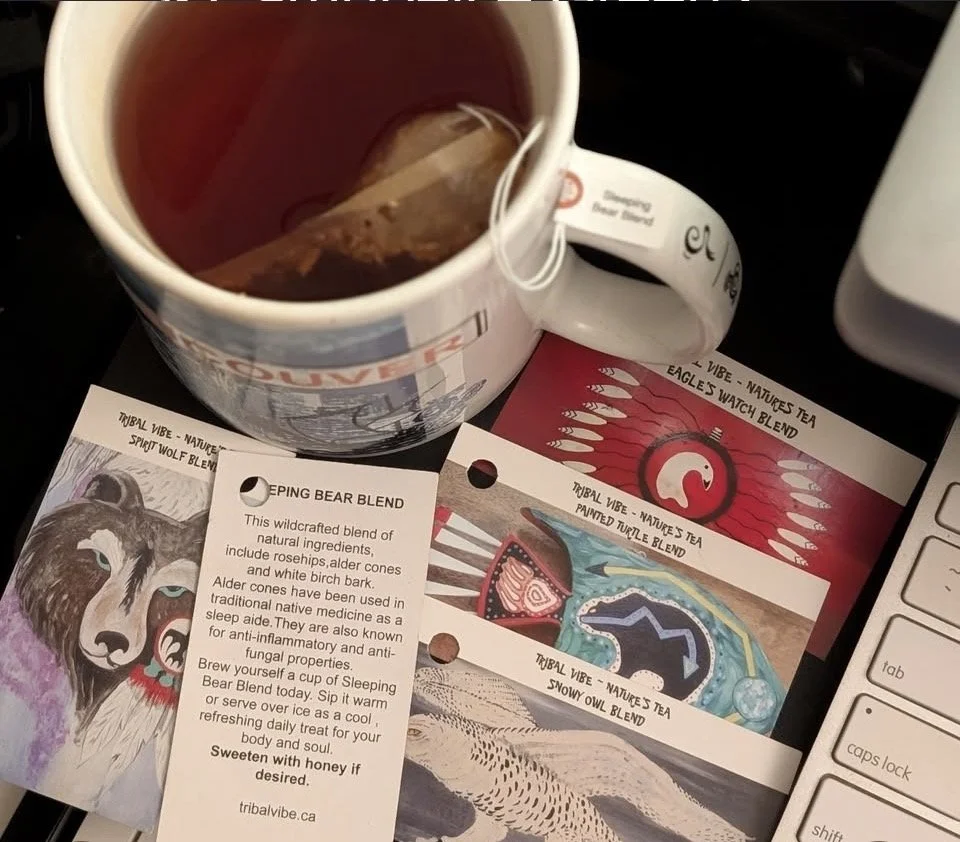
ng back. For Maryann, it was an extraordinary reminder of the connection between plants, food, family, and memory. A simple cup of tea had helped someone reconnect with a person they loved, and with a part of their own story.
Perhaps that’s what makes Maryann’s work so meaningful. While Tribal Vibe provides her with an income, the real richness lies in the relationships it nurtures and the knowledge it allows her to share. She believes deeply in community, not as an idea or a slogan, but as something created through everyday acts of generosity and care.
Recently, an elderly neighbour asked Maryann for help gathering fallen leaves. She gladly collected them, bringing them home to enrich her garden soil and insulate the carrots she leaves in the ground through winter. Her neighbour received a helping hand, and the garden received nourishment for another season. It was a small exchange, but one that reflected the way Maryann has always understood caring for people and the land.
Those same values are finding their way into another generation. Maryann has six grandchildren, and she treasures the opportunity to pass along the skills that shaped her own childhood. Her young granddaughter is learning to sew, just as Maryann learned from her grandmother. Together they make costumes and stuffed animals, bake from scratch, tend the garden, care for the beehives, and explore their creativity. Before the grandson she raised left home, Maryann made sure he knew how to cook his own meals, bake bread, and do his laundry. She wants her grandchildren to grow up with the confidence to care for themselves, an appreciation for the natural world, and the understanding that knowledge is something to be shared rather than kept.
When I asked Maryann what she imagined at a crowded table, she described families, generations, neighbours, and friends gathered around an abundance of homemade food and fresh produce, sharing good conversation and gratitude for the opportunity to be together.
I can’t help but think how beautifully that image reflects the life she has created. A life where there is room for family, for neighbours, for traditions worth preserving, and for the simple joy of welcoming someone to sit down and share a cup of tea.
For years, Maryann had worked toward a life that looked like everything she was supposed to want. It took enormous courage to step away from that security and discover what truly made her happy. Yet, in returning to the plants, the teachings of her father, and the traditions of her childhood, she found that so much of what she had been searching for had been waiting within her all along.
And somewhere in that crowded gathering is the little girl who once sat among the mayflowers, delighting in the sweetness of the world around her. After a lifetime of caring for others and meeting expectations, Maryann has made room for that little girl again. Perhaps the most beautiful part of her story is that she is now making sure the generations that follow have every opportunity to discover that same sense of wonder for themselves.