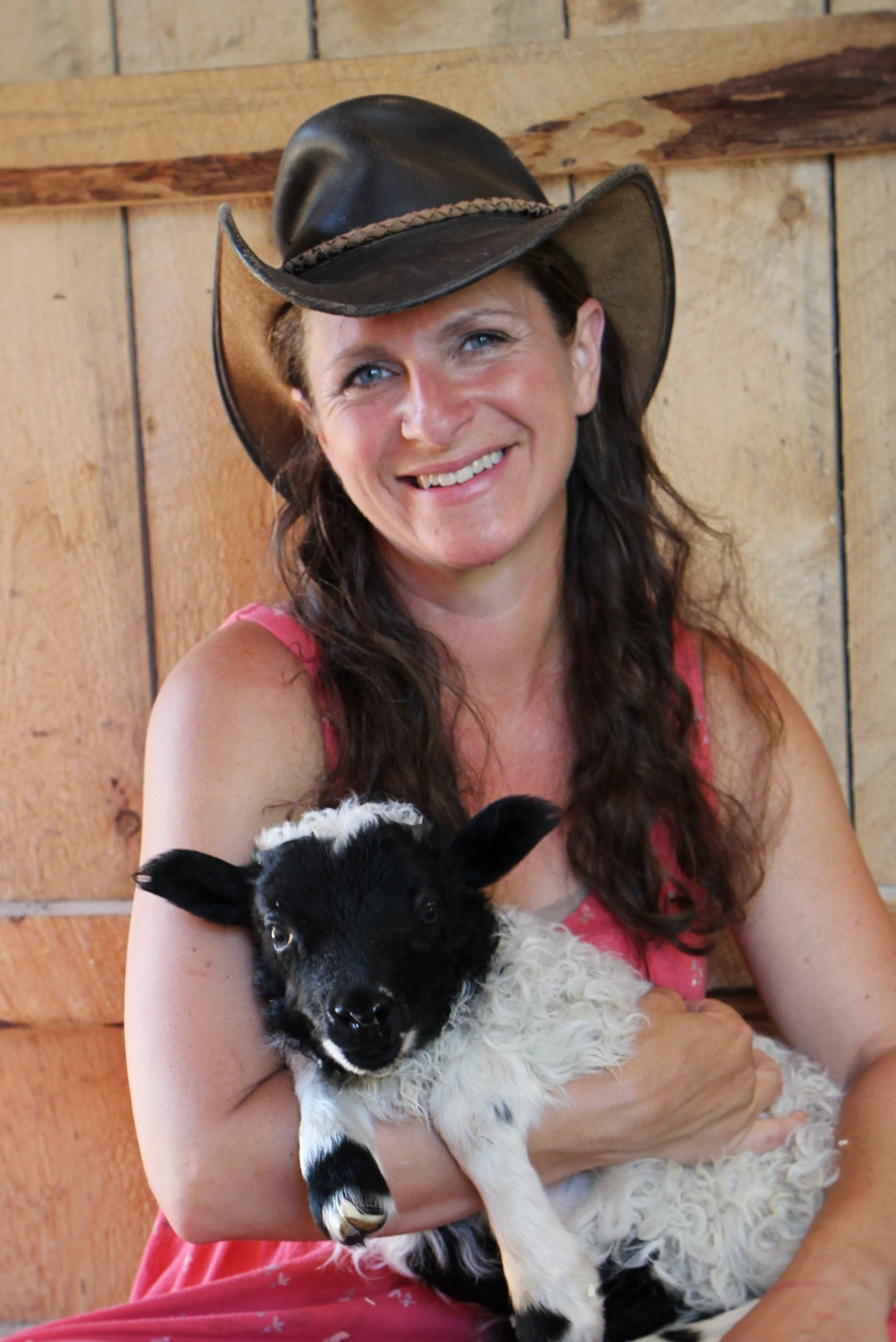
Tracy Hutchings of Go West Homestead on the work of growing food, sharing knowledge and making room for others
Some people show up in a farming community with an answer. Others show up ready to figure it out beside you. Tracy Hutchings has a gift for doing both.
I’ve seen it in the homesteading and women’s community: Tracy helping someone work through a difficult lambing, troubleshooting the realities of a family milk cow, or encouraging people to hold clear, respectful boundaries when buying and selling animals. She gives her time, shares what she knows and reminds people that learning to raise food is easier when we don’t have to learn everything alone.
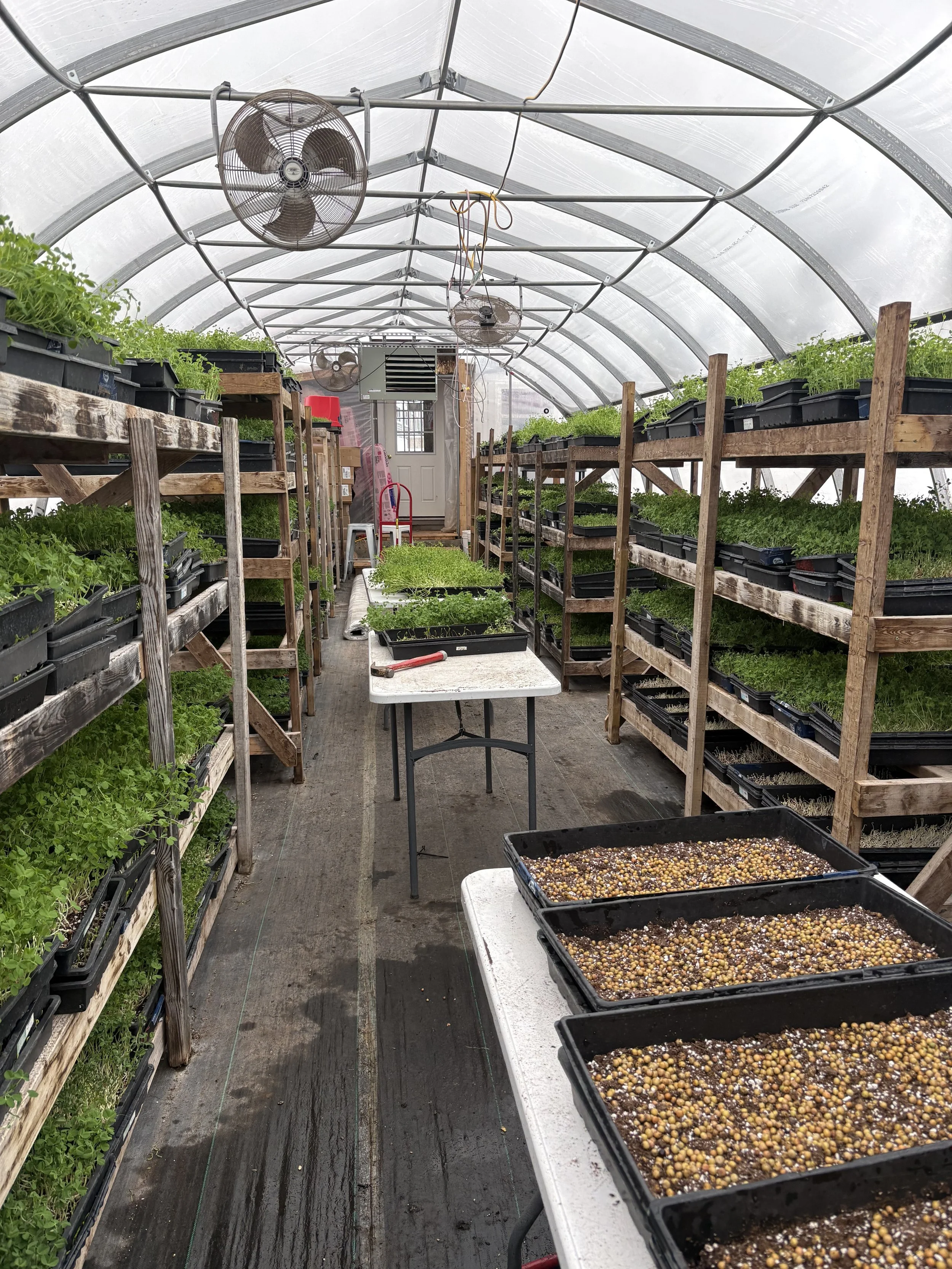
But that generosity is only one part of the story. Together with her husband, David, Tracy is building Go West Homestead in Merigomish, Nova Scotia a farm business rooted in year-round microgreens, livestock, food education and a deep belief in collaboration. And she brings an interesting combination of experience to it all: the perspective of someone who knows both the corporate boardroom and the barnyard.
The roots of Go West
The name Go West honours a family story. Tracy explains that her ancestors arrived through Halifax before travelling west in search of farming opportunities. Generations later, she and David have made their way back to Nova Scotia, drawn by the ocean air and the chance to farm alongside people who care about the land.
Their homestead is more than a place to produce food. It is a place to practice the kind of stewardship they hope will outlast them. Sheep, a family milk cow, poultry and all the unpredictable moments that come with animals sit alongside the greenhouses and the business of getting fresh food into local hands.
It is not the romantic version of farm life people sometimes imagine. Tracy laughs about lambs arriving just before someone slips on afterbirth, a cow ruining the milking bucket at the last minute, and chickens making a five-minute feast of beautiful tomatoes. The highs, she says, are high; the lows can be just as low. Her faith and gratitude run through both.
What it means to carry someone else’s dream
One of the most beautiful chapters in Go West’s story began with another farm. When Cathy Munro of Bramble Hill Farm passed the fresh-microgreens side of her business to Tracy and David, it became an example of what can happen when farmers see one another as collaborators rather than competitors.
“I am so thankful to Cathy for trusting her dream in our hands while allowing us to grow it in to our own vision,” Tracy told me. “To me, it is the deepest level of community and collaboration between farmers.”
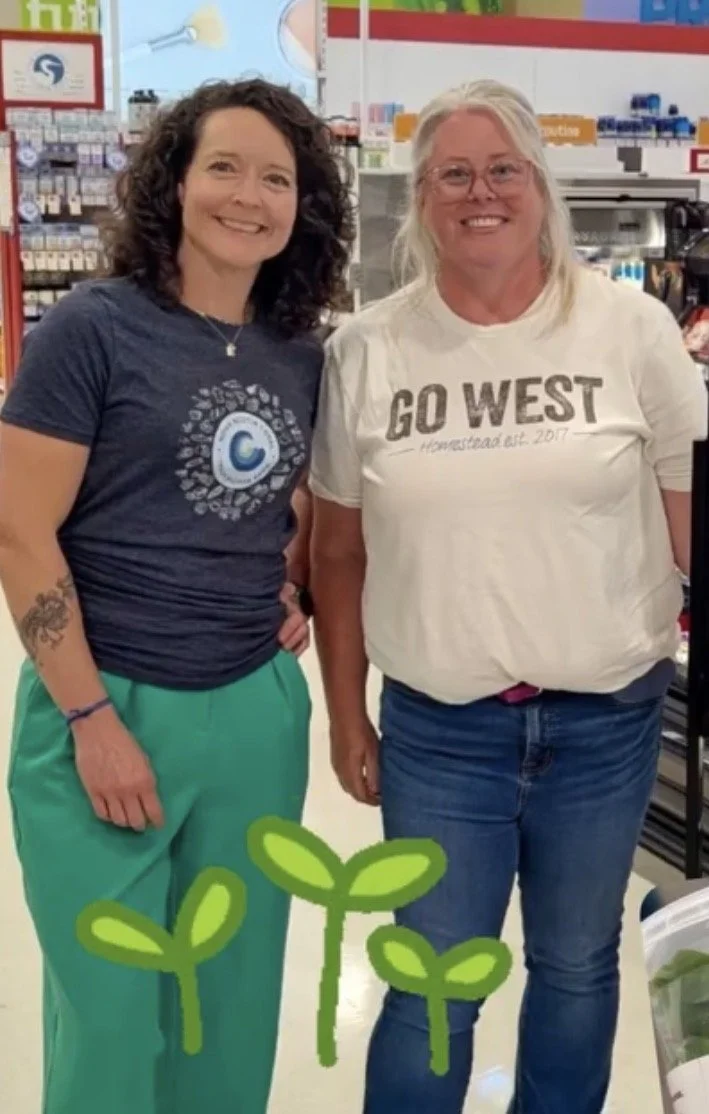
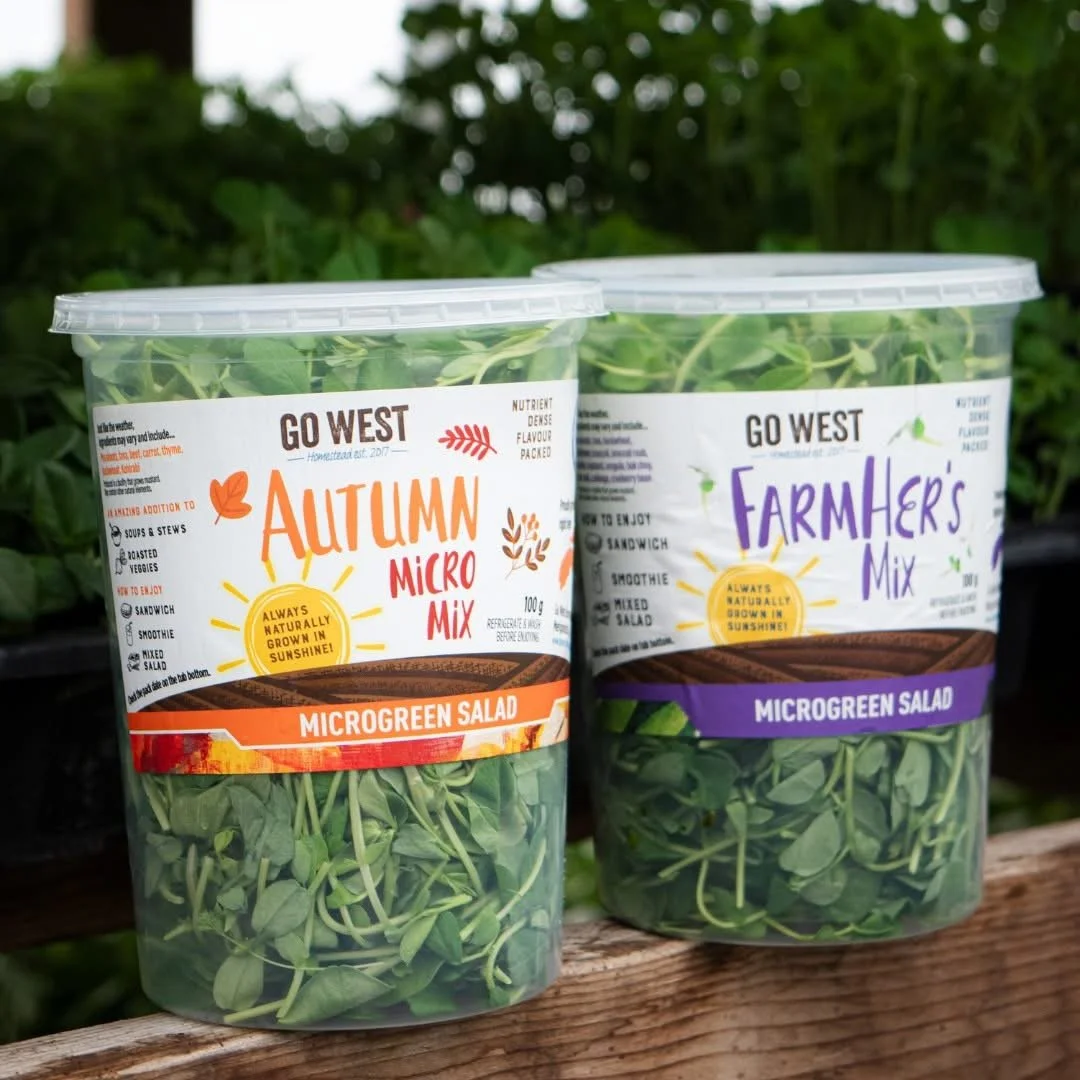
That trust shows up in every container of greens. Microgreens are a small but nutrient-dense crop, one the couple can grow through much of the year and supply to kitchens and independent retailers. But Tracy does not describe a purchase as simply a sale. It is a decision that helps keep a local grower growing.
“One container at a time means that we can continue to do what we do,” she says. “With the support of picking up a tub of greens, we can assure you that we’ll be here next week.”
From the boardroom back to the kitchen table
Tracy has a substantial corporate background, and what fascinates me is that she isn’t leaving those skills behind as she leans further into homesteading. She is beginning to bring the tools of leadership, collaboration and goal setting into the work of helping people reconnect with food while bringing the lessons of the farm back into conversations about business and leadership.
At Go West, that can look as approachable as learning to make cheese without needing to own a cow. Working with local dairy partners including Knoydart Farm, Tracy is helping people discover the satisfaction of turning local milk into something they have made with their own hands. Their homestead kitchen workshops also invite people to prepare nourishing family meals, share ideas and leave with practical skills.
She is looking for more ways to tell the story of agriculture through collaborations, including connections with Common Ground in Pictou. And alongside David, she continues to support community fundraising and food-centred events, with relationships such as Summer Street reflecting their belief that a farm should give back to the place that sustains it.
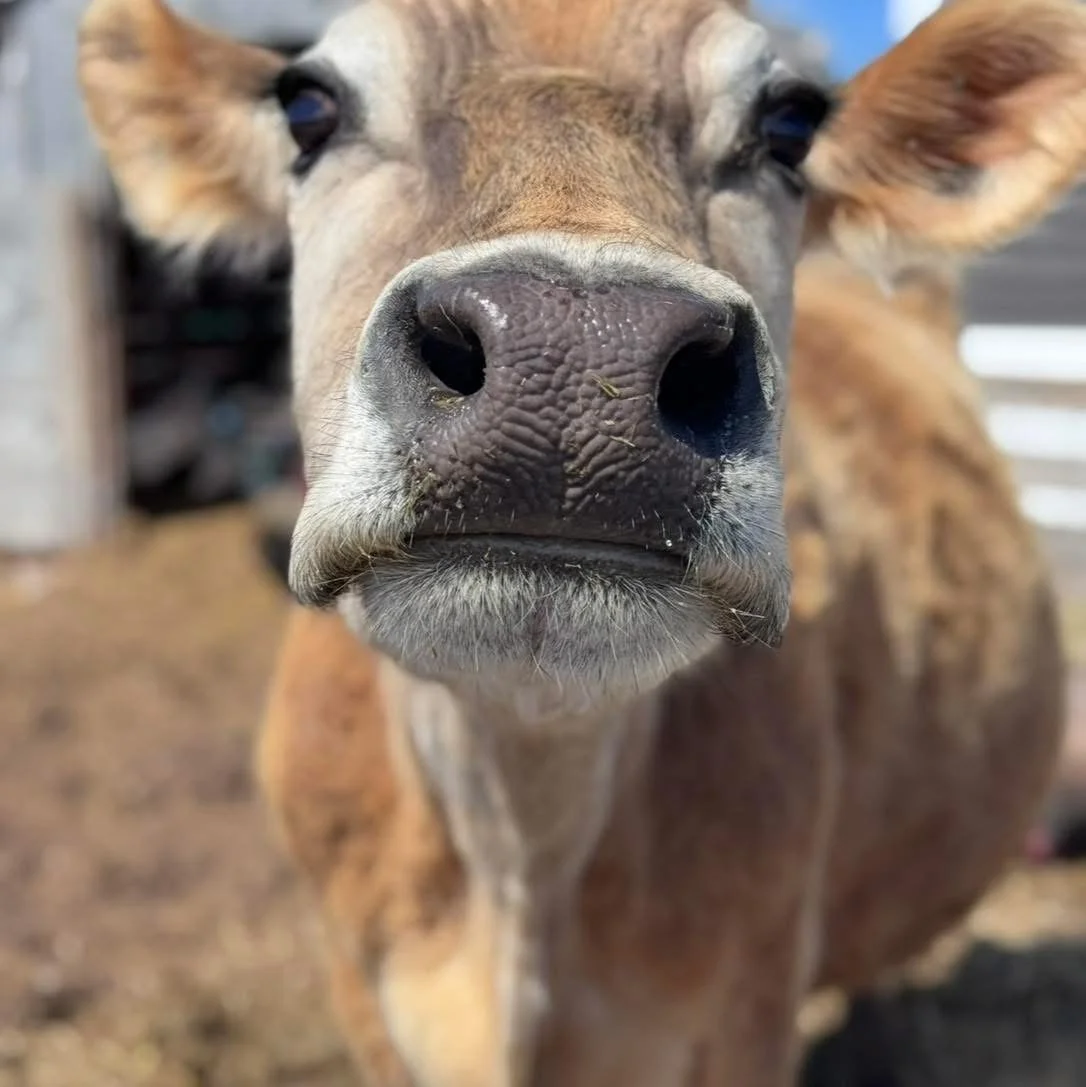
What connects these efforts isn’t a particular product or workshop. It’s the idea that knowledge is useful when it moves from one farmer to another, from the cow to the cheesemaking table, from the boardroom to the barn, and from one generation to the next.
The tenderness behind the work
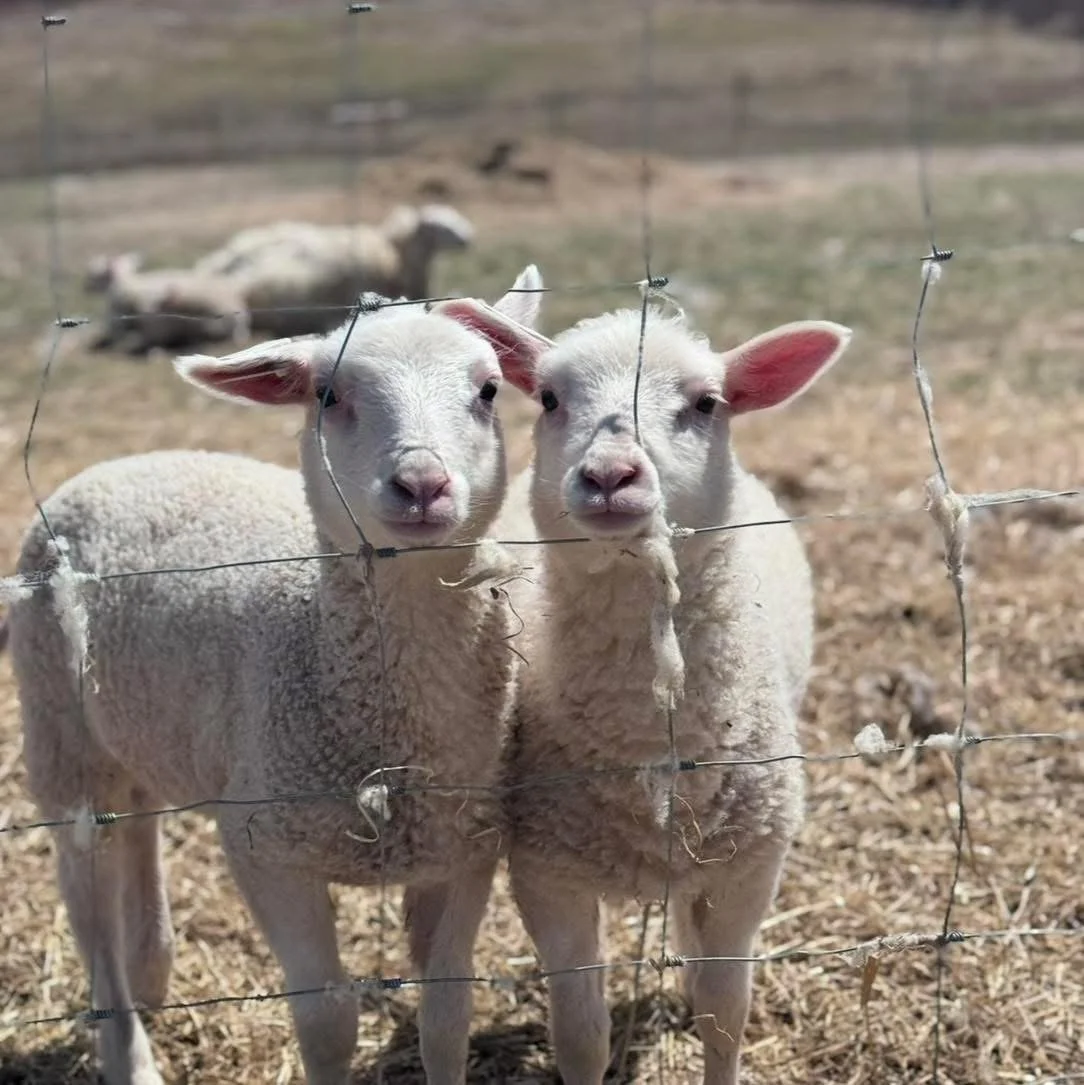
There is a moment from Tracy’s interview that has stayed with me. When she and David first began keeping sheep, a mentor helped them start their flock. Tracy noticed how difficult it was for that woman to let the lambs go and asked how she managed knowing the ram lambs would eventually become food.
The answer was simple: “I cry.”
It gave Tracy permission to hold two truths at once: to love the animals in her care and to accept the responsibility of raising them for nourishment. She still cries when it is time to say goodbye. She still gives thanks.
That isn’t a contradiction to her. It is part of knowing where food comes from, what it costs in labour and feeling, and why the lives behind a meal deserve respect.
Who pulled out a chair?
At the end of every Crowded Table conversation, I like to ask who helped pull out a chair along the way. Tracy didn’t hesitate: David.
“My strongest supporter, the one who grounds me and keeps it real when I need it. The one who not only believes in my dream, but dreams it along side of me.”
Their partnership is practical as much as it is romantic. When Tracy is tired, David moves the hay while she gathers the eggs. When David is tired, she takes on the heavier work. They notice what needs doing and step in for one another.
At the end of the day, they sit down to something slow-cooked, often meat and seasonal vegetables raised at home, finished with one of their own microgreen mixes. They give thanks, put their feet up and catch up on the world. It is a humble picture of what they are working toward: enough food, meaningful work and someone to share it with.
When I asked Tracy what she hoped a child sitting at her table twenty years from now might understand, her answer came back to responsibility. Our choices matter. The land is ours to care for, not simply ours to use. And the people who feed us deserve to be seen.
That, to me, is what makes Tracy’s place at this crowded table so fitting. She grows food, yes, but just as importantly, she helps grow the confidence, connections and community that make local food possible.